31st - 1st January 2026

International Conference on Computational Methods in Applied Mathematics (ICCMAM- 25), organized by the ASPHER, aims to provide a global platform for researchers, academicians, professionals, and practitioners to exchange knowledge, share innovative ideas, and discuss emerging developments related to the conference focus areas.
By bringing together experts and visionaries from around the world, this conference promotes knowledge sharing, collaborative research, and actionable insights that shape the future of education, science, and innovation.
1st December 2025
6th December 2025
16th December 2025
31st - 1st January 2026

Advance Global Scholarship: Strengthen the conceptual and theoretical development of emerging ideas and practices within the focus areas.
Unify Diverse Fields: Bring together experts, researchers, and professionals to encourage cross-disciplinary dialogue and collaboration.
Foster Collaboration: Offer participants opportunities for paper presentations, knowledge exchange, networking, and joint initiatives.
Maximize Impact: Ensure that presented research is disseminated through reputed publications and promoted across Marketing Channels for greater reach.
Inspire & Connect: Spark new ideas and build lasting professional partnerships that extend beyond the conference experience.
Through these objectives, ASPHER contributes to strengthening global academic engagement and driving impactful research for a sustainable future. View More
Enhancing International Collaboration: Fostering cooperative research partnerships across regions and disciplines.
Facilitating Networking Opportunities: Connecting scholars, practitioners, and industry leaders for lasting professional relationships.
Supporting Economic Development: Encouraging innovation and knowledge transfer that drive economic growth.
Empowering Scholars: Providing platforms and resources to help researchers elevate their work.
Promoting Lifelong Learning: Introducing new concepts and methodologies that enrich participants’ expertise.
Driving Technological Advancement: Showcasing cutting-edge developments and encouraging their practical application.
Exchanging Ideas Across Borders: Cultivating an open forum for sharing diverse perspectives and best practices.
Sharing Knowledge Widely: Ensuring research outcomes reach broad audiences through publications and outreach.

By aligning its activities and outcomes with the following SDGs, ASPHER drives measurable impact:

Organizes capacity-building workshops and training sessions to enhance skills and lifelong learning opportunities.
Publishes open-access proceedings and teaching materials to broaden educational reach.

Ensures balanced representation of women and underrepresented groups among speakers, chairs, and attendees.
Hosts panels on inclusivity and equity in STEM and social sciences.

Showcases research that spurs entrepreneurship and job creation, particularly in emerging markets.
Facilitates career-building networking events connecting academia and industry.
Fosters interdisciplinary R&D collaborations to accelerate technology transfer and infrastructure development.
Highlights case studies of innovative engineering solutions for sustainable development.

Provides travel grants and fee waivers for participants from low-income regions.
Promotes research addressing social justice, accessibility, and community resilience.
Encourages presentation of smart-city technologies and policies that improve urban living standards.
Hosts roundtables on community-driven development and sustainable planning.

Integrates sessions on green technologies, renewable energy, and environmental policy.
Supports publication of research demonstrating mitigation and adaptation strategies.

Builds global networks through institutional MOUs, joint-venture panels, and multi-stakeholder forums.
Builds global networks through institutional MOUs, joint-venture panels, and multi-stakeholder forums.
By aligning ASPHER’s conference with the Sustainable Development Goals, the event can advance a more sustainable and inclusive future through knowledge sharing, cross-disciplinary collaboration, and innovative solutions.



Full papers will be published in High Impact or Google Scholar–indexed journals. Abstracts will appear in the Conference Proceedings Book, submitted to the Academic Research Library.
Note : Publications are subject to editorial review and standard T&C
We are proud to offer an exceptional opportunity for authors at ASPHER. Selected high-quality papers presented during the conference will be considered for publication in reputed international journals, providing valuable recognition for your research contributions.
Rigorous Peer Review: Each paper undergoes a thorough review to maintain high academic standards.
Esteemed Journals: Publications are facilitated through well-established and respected journals in relevant fields.
Editorial Guidance: Authors receive support in aligning manuscripts with journal requirements.
Efficient Publication Process: Benefit from a structured submission and review system that ensures timely.
1. Submit Your Paper: Send your full paper through the official conference submission portal.
2. Review & Acceptance: Papers undergo peer review and accepted works are presented at the conference.
3. Selection for Journals: High-quality papers are recommended for Scopus-affiliated journals
4. Journal Review & Revision: Authors revise papers as per journal reviewers’ feedback.
5. Final Publication: Accepted papers are processed and published in Scopus-listed journals.
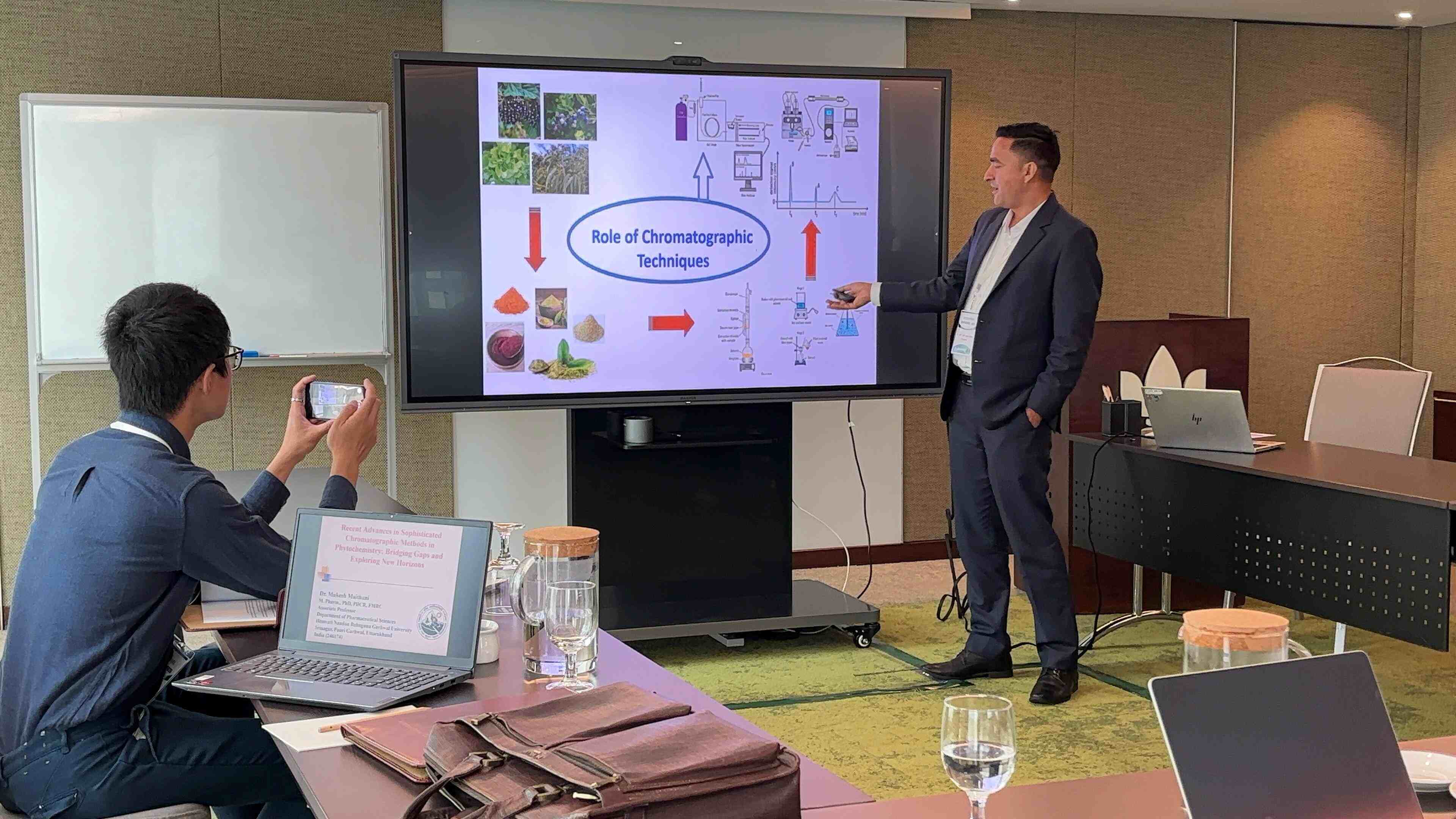
International Conference on Natural Science and Environment
(ICONSE–24)
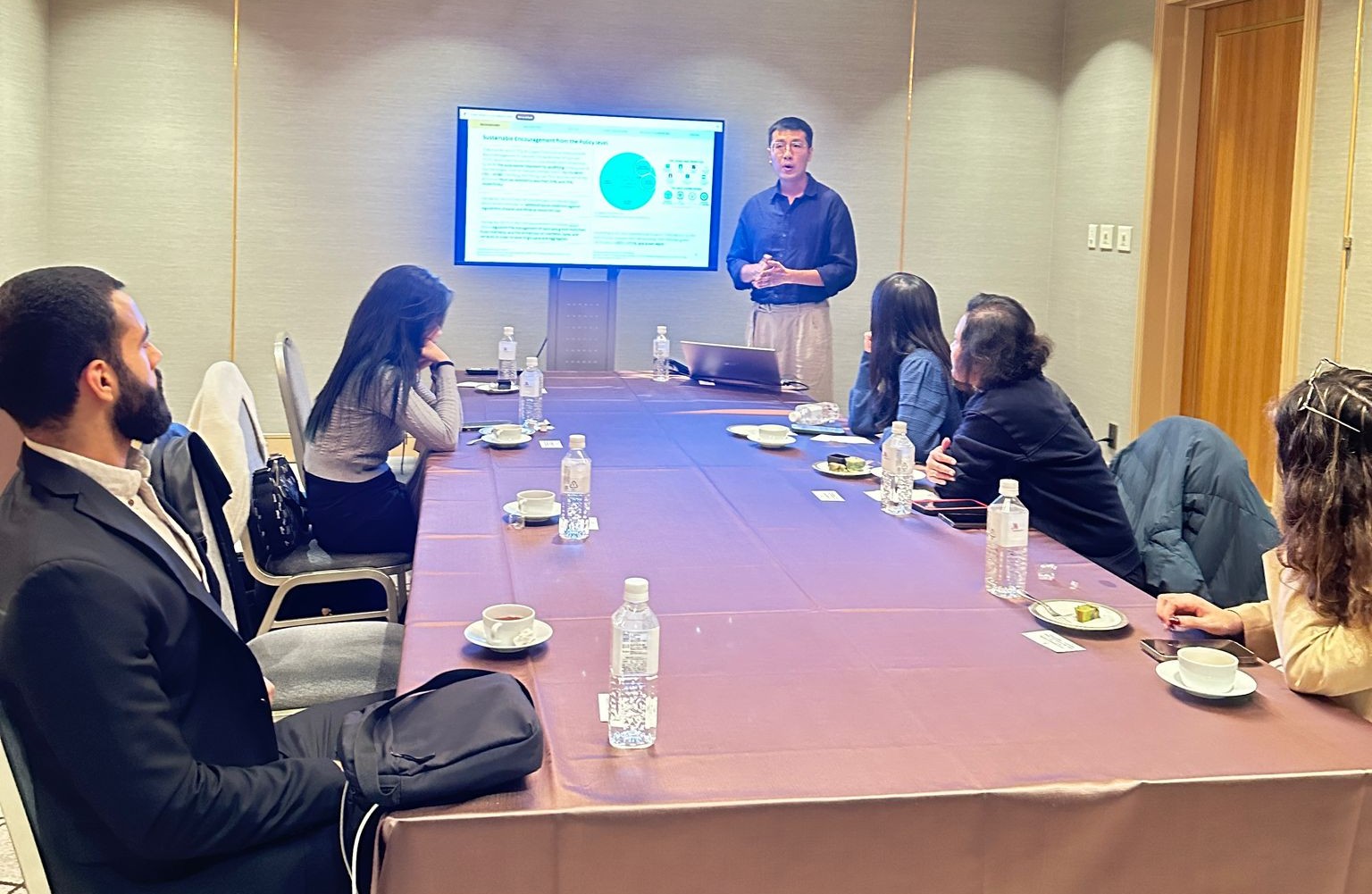
International Conference on Computer Science and Engineering
(ICCASE – 24)
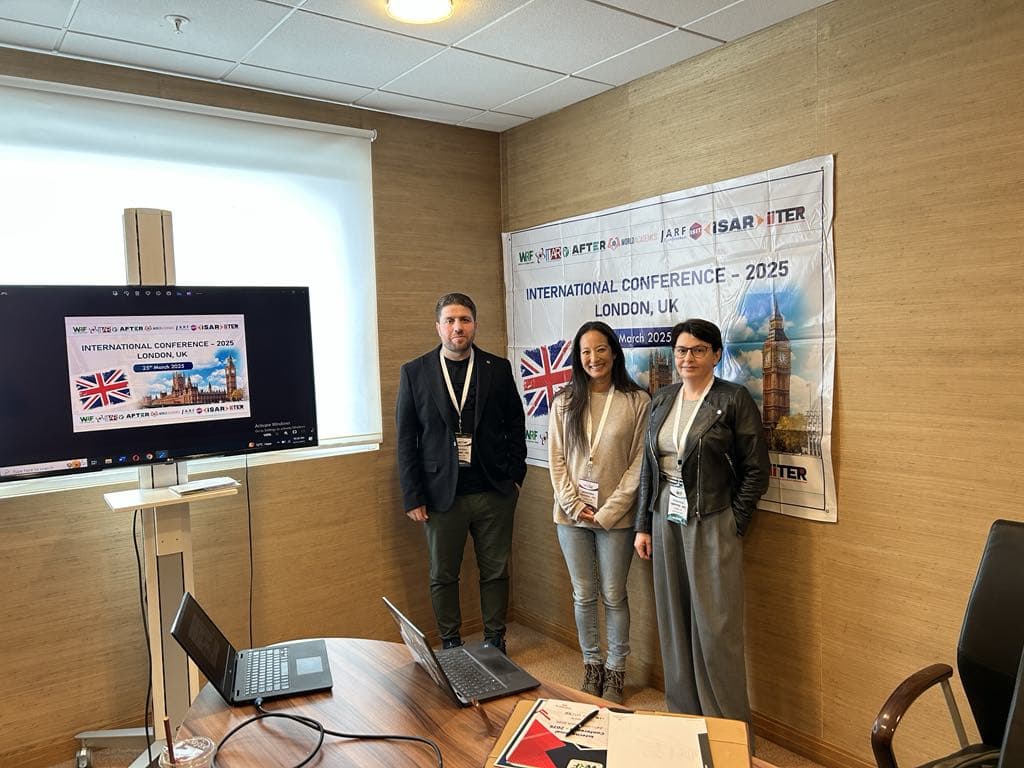
International Conference on Natural Science and Environment
(ICONSE–24)
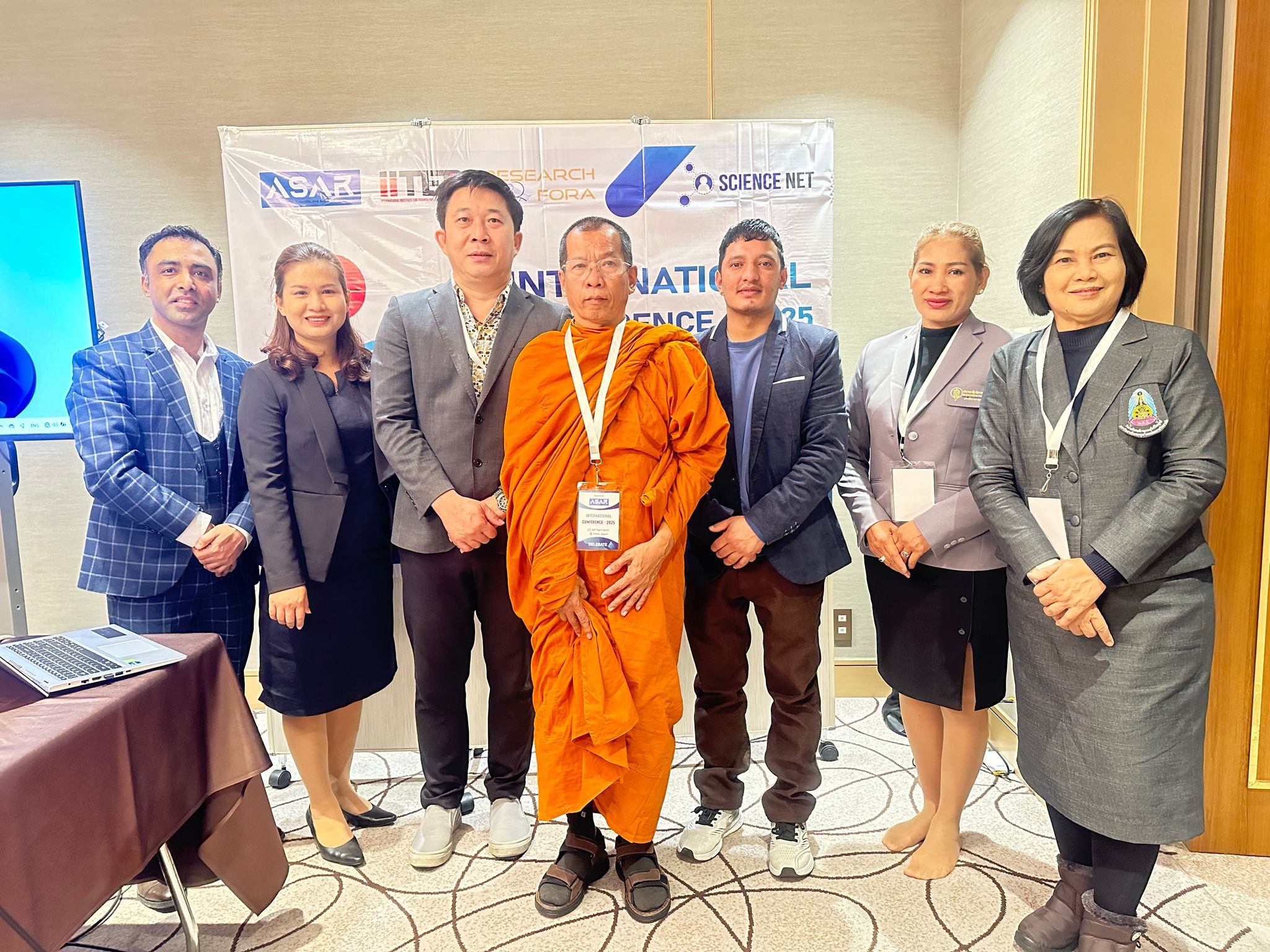
World Chinese Medicine, Yoga & Mental Health Congress
(WCMYMH-C - 24)


I found that the organization of the conference was on point and professional, whether for guiding or time respect. The team was very assistant and cooperative, and during the presentation.

The conference was very diverse with major scientific works presented. The atmosphere was very good, the organizers were nice and always available.

It was a nice experience to share my paper at your conference.

The team is supportive and always encourages collaboration
I am very happy to be able to attend this Conference. This conference is a very valuable and effective.